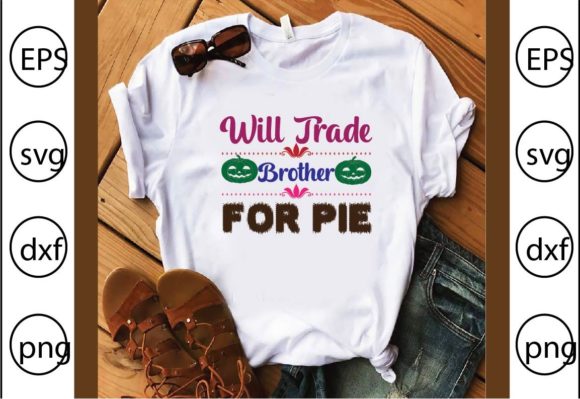
Will Trade Brother for Pie
As a designer and embroidery product reviewer, I often find myself evaluating digital files for real-world use. Will Trade Brother for Pie is one such design that caught my attention for its unique theme and potential in custom projects. Let’s dive into what this design offers and how it might fit into your creative workflow.
First Impressions: A Playful, Versatile Design
The first thing that stands out about Will Trade Brother for Pie is its whimsical, lighthearted vibe. The design features a simple yet expressive illustration of a person holding a pie, with a humorous twist on the phrase "Will Trade Brother for Pie." It's the kind of design that immediately evokes a sense of fun and nostalgia, making it ideal for casual, everyday items.
The layout is clean and balanced, with enough detail to make it visually engaging without being overwhelming. The shape and theme suggest it would work well on t-shirts, tote bags, or baby items where a friendly, approachable look is desired. The design isn’t overly complex, which means it can be adapted to a variety of embroidery styles, from basic satin stitches to more intricate fill patterns.
Real-World Embroidery Performance
When considering Will Trade Brother for Pie for real-life embroidery projects, it’s important to think about where it will be placed and how it will be used. This design has the potential to shine on custom apparel like sweatshirts, t-shirts, and tote bags. Its simplicity makes it suitable for both beginners and experienced embroiderers looking for quick, effective designs.
For small business owners and Etsy sellers, this could be a great addition to a collection of personalized gifts or boutique merchandise. It’s also well-suited for holiday or seasonal items, such as embroidered aprons, pillow covers, or tea towels. The playful nature of the design makes it a strong candidate for handmade products that aim to connect emotionally with customers.
However, there are a few things to keep in mind when working with this design. Its layout includes some fine details that may not translate well on very small hoop sizes. If you're planning to use it on caps or other curved surfaces, you may need to adjust the design or consider alternative placement options.
Where to Use With Caution
While Will Trade Brother for Pie is generally versatile, there are certain situations where it may require extra care. For example, if you’re working with textured fabrics or thin, stretchy materials, the design may not hold up as well. In these cases, using the right stabilizer is crucial to ensure the embroidery looks sharp and lasts through multiple washes.
On dark fabric, the design might appear less vibrant unless you choose thread colors that contrast well. Similarly, if you’re planning to use it on layered garments or items that will be frequently washed, it’s wise to test the design on scrap fabric first. This helps you understand how the stitches will interact with different materials and how the design will age over time.
For baby items or delicate fabrics, you’ll want to check the stitch density and ensure that the design isn’t too dense, which could cause discomfort or damage. Tiny lettering or detailed corners may also need special attention to maintain clarity during the stitching process.
Impact on Visual Appeal and Customer Perception
Will Trade Brother for Pie has the potential to enhance the visual appeal of any project it’s used on. Its friendly, recognizable style can make a finished product more relatable and appealing to a wide audience. When used effectively, it can add personality to custom apparel, making it stand out in a crowded market.
From a customer perspective, this design could be a hit for personalized gifts, especially those aimed at friends, family, or colleagues who appreciate humor and creativity. It also works well for small shop products that aim to create a warm, inviting brand image. The design’s simplicity allows it to be easily incorporated into various marketing materials, such as printable mockups or digital product previews.
For commercial embroidery projects, the key is ensuring that the design maintains its integrity across different scales and applications. Whether you’re creating an embroidered patch, a tote bag design, or a sweatshirt embroidery, the quality of the final product will depend on how well the design is executed.
Practical Designer Notes
Before committing to any embroidery project, I always recommend testing the design on scrap fabric. This gives you a chance to see how the stitches look on different materials and whether the design needs any adjustments. For Will Trade Brother for Pie, this step is especially important due to its detailed elements and potential variations in fabric texture.
Checking thread color contrast is another essential step. On light fabrics, the design may appear more prominent, while on dark backgrounds, it may need a stronger color to stand out. Reviewing the stitch density and confirming the correct hoop size will help avoid issues during the actual embroidery process.
If you’re planning to sell finished items or digital products, it’s crucial to verify the licensing terms associated with the design. While the product description mentions compatibility with Cricut and Silhouette machines, specific details about commercial use or redistribution should be confirmed before proceeding.
Finally, consider how the design fits into your overall brand or product line. Will Trade Brother for Pie is a great choice for craft businesses looking to add a touch of humor and charm to their offerings. It can also serve as a valuable design asset for anyone involved in digital product creation or small shop merchandising.