Valentine's Day SVG Quotes T-shirt: Hands-On Review
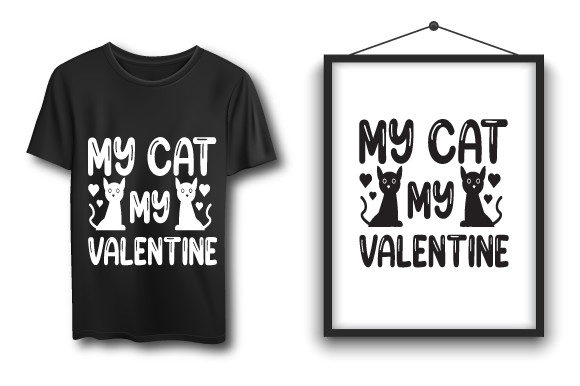
When I first opened the Valentine's Day SVG Quotes T-shirt file, I was immediately drawn to the easygoing, playful tone of the lettering. The phrase "my cat my valentine" carries just the right mix of humor and warmth, and the typography itself feels clean without being stiff. As someone who has tested hundreds of embroidery files and print templates for real client projects, I have learned to spot designs that look promising on screen but fall apart in the hoop. This one, I am happy to report, holds up well under practical scrutiny.
First Impressions and Visual Mood
The design leans into a friendly, handmade aesthetic. The lettering quotes have a casual script-style feel, but the shapes are well-proportioned and easy to read from a distance. That matters a lot when you are stitching something onto a custom apparel piece that will be worn or gifted. The cat reference gives it a niche appeal, but not so narrow that it limits your audience. Cat lovers are a devoted bunch, and Valentine's Day products with a feline twist sell steadily across Etsy and craft fairs.
The overall mood is lighthearted and affectionate without being overly sentimental. That balance is harder to achieve than most beginners realize. When a design tries too hard to be cute, it can feel forced once it is embroidered onto a sweatshirt embroidery project or a tote bag design. This one strikes a natural tone that feels genuine.
Real Project Test: Custom Embroidered Tote Bag
To give this design a fair real-world test, I decided to stitch it onto a medium-weight cotton tote bag for a small shop order. The customer wanted something casual but giftable, and the Valentine's Day theme fit perfectly. I used a medium hoop size and a medium-weight cutaway stabilizer to keep the fabric from shifting. The lettering stitched out cleanly with a satin stitch for the main outlines and a light fill stitch for any solid areas.
One thing I noticed right away: the design respects the fabric. The stitch density felt reasonable, not overly packed, which means the tote bag kept its drape and didn't pucker around the lettering. That is a huge advantage for anyone selling handmade products where the finish matters as much as the design itself. The tote bag looked professional, the letters were crisp, and the cat reference drew smiles from everyone who saw it.
Where the Design Shines
This embroidery file works beautifully across a range of surfaces. Here are the applications where I think it performs best:
- Custom apparel: T-shirts and sweatshirts are the obvious choices, and the design sits well on both front chest and back placements. It also works nicely on baby embroidery projects if you scale it down carefully.
- Tote bags and aprons: The lettering is bold enough to read on a tote bag design or a kitchen apron, and the cat theme adds personality without looking childish.
- Embroidered patches: If you want to offer patch versions for jackets or backpacks, the design's clean outlines make it a strong candidate for an applique design or standalone patch.
- Pillow covers and tea towels: Home decor items with a Valentine's twist sell well in small shops, and this design fits that niche without feeling generic.
- Holiday gifts and personalized gifts: The quote format makes it easy to pair with a name or date if you want to offer customization.
- Printable mockups and digital product previews: Since this is also a Print Templates product, you can use the SVG version to create clean mockups for your Etsy listings or social media. That adds real value if you are a digital product seller or a creative entrepreneur building a brand.
- Commercial embroidery projects: For those running a craft business or producing small shop merchandise, the design scales well for production runs without excessive thread changes or complex digitizing.
Where to Use This Design with Care
No design is perfect for every surface, and I always advise testing before committing to a full production run. Here are the situations where I would recommend extra caution with this file:
- Small hoop sizes: If your hoop is under 4x4 inches, the lettering may become too compressed, especially if the quote includes multiple words. Test a scaled-down version on scrap fabric first.
- Textured fabrics: Fleece, boucle, or heavy knits can swallow fine lettering details. Use a dense enough stabilizer and consider a running stitch outline to keep the shape readable.
- Stretchy or thin fabric: Lightweight jersey or stretchy blends may cause the stitches to distort. A tearaway stabilizer alone might not be enough; use a cutaway stabilizer for stretchy materials.
- Dark fabric backgrounds: If the design uses light thread colors on dark fabric, the contrast may be subtle. Stitch a test sample on the actual fabric you plan to use, and check whether the thread colors pop enough.
- Curved surfaces like caps: Lettering that spans a curved cap brim can warp if the design is not adjusted for the curve. This one is better suited for flat or gently curved surfaces.
- Frequent washing: Satin stitch areas on items like kitchen towels or baby clothes need secure backing to prevent fraying after repeated washes. Use a quality stabilizer and consider a light fill stitch reinforcement.
Visual Appeal and Customer Trust
When you sell handmade products or personalized gifts, the design you choose directly affects how customers perceive your brand. A well-stitched, legible design builds trust. A messy or poorly scaled one undermines it. This design, when properly prepared, gives a clean, confident look that tells buyers you care about quality. The typography is friendly but not sloppy, and the cat reference is specific enough to attract its audience without alienating others.
For Etsy sellers and small shop owners, that balance is gold. It means you can list the finished product with confidence, knowing that the embroidery will hold up to close inspection. The design also photographs well, which helps with your product photography and printable mockup presentations. A clear, attractive listing image is often what makes the sale.
Practical Embroidery Designer Notes
Before you commit to stitching this design for a client or for inventory, here are the practical steps I always recommend:
- Test on scrap fabric first. Use the exact fabric type you plan to stitch on, not just any leftover piece. The way the design behaves on cotton may be different from how it behaves on polyester or blends.
- Check thread color contrast. Print a black-and-white mockup of the design to see the value contrast. If the thread and fabric are too similar in brightness, the lettering may disappear.
- Review stitch density. If you are working with a delicate fabric or a small hoop, high stitch density can cause puckering. Adjust if needed, or choose a simpler stabilizer setup.
- Inspect small details. Look at the tight curves and intersections in the lettering. If any areas feel too dense or too thin, make a test stitch and assess the result.
- Compare light and dark fabric backgrounds. What looks balanced on white may read differently on charcoal or navy. Stitch both versions if you plan to offer color options.
- Use proper stabilizer. For this design, a medium-weight cutaway stabilizer worked well for my tote bag test. For stretchy fabrics, go heavier. For stable fabrics, a tearaway may suffice, but test first.
- Confirm the file format and licensing. Before you sell any finished items or digital products using this design, check the license terms that came with your download. Since the product is listed under Print Templates and Graphics, verify whether commercial use is allowed and whether there are any restrictions on the number of items you can produce. If the license terms are not clearly stated, contact the seller before you start production.
- Back up your files. Keep a copy of the original embroidery file and the SVG version in a safe place. You may need to revisit the design for future orders or revisions.
Final Thoughts for Makers and Small Shop Owners
The Valentine's Day SVG Quotes T-shirt design is a solid choice for anyone looking to add a cat-themed Valentine's option to their product lineup. It works across multiple surfaces, stitches cleanly with reasonable density, and has the kind of friendly personality that customers respond to. Whether you are planning to use it for custom apparel, embroidered patches, tote bag design, or holiday embroidery projects, the design gives you a strong foundation to build on.
My only caution is the same one I give for any lettering-based design: test it thoroughly before you scale up production. The difference between a good design and a great finished product is almost always in the preparation. Take the time to choose the right stabilizer, check your thread contrast, and stitch a sample on your actual fabric. That extra effort will save you from headaches later and ensure that every item you sell reflects the quality your customers expect.
If you are a handmade shop owner, Etsy seller, or creative entrepreneur building a craft business, this design is worth adding to your library. It offers versatility, visual charm, and a clear path from digital file to finished product. With thoughtful preparation, it can become a reliable piece in your seasonal rotation.